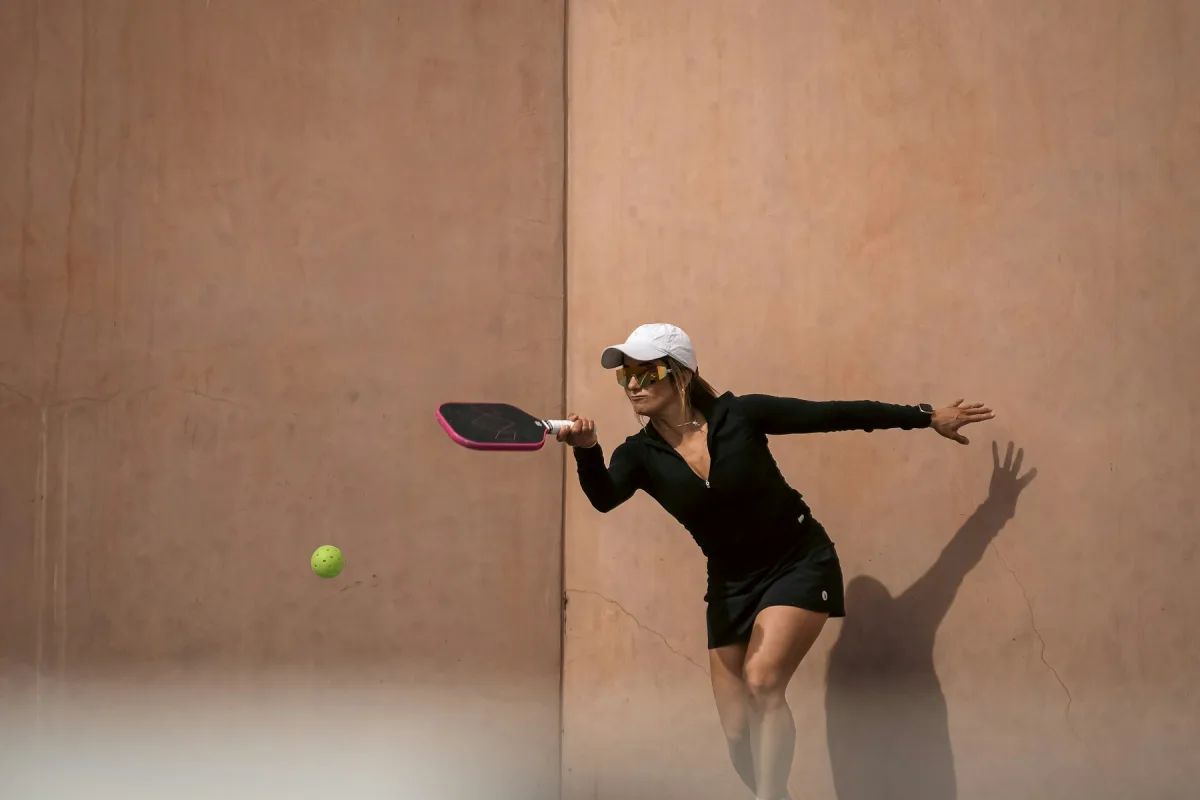
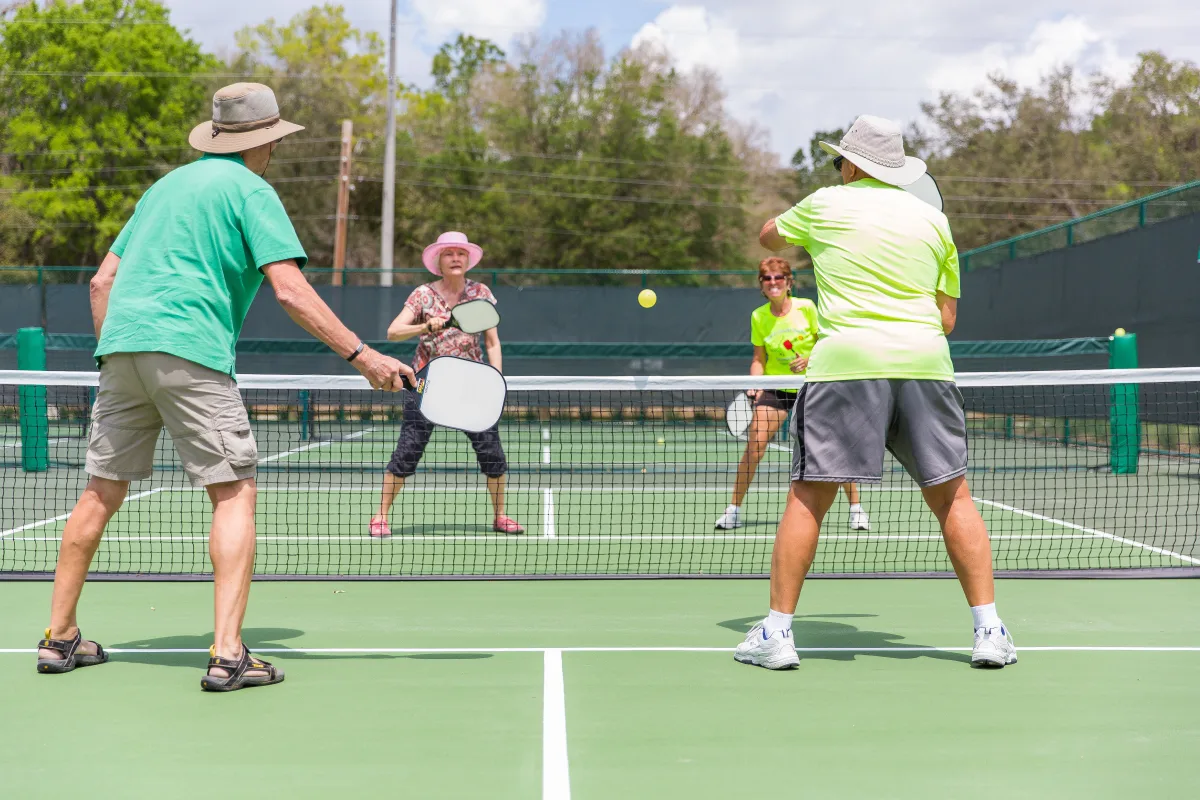
A pickleball pattern drill practices a connected sequence of shots and decisions, not one isolated contact. Both partners have a role, and a changing feed or reply determines what they do next. A simple example is third shot, opponent reply, then a shared decision to advance or stay balanced.
A basket of identical feeds can help you work on a contact. It can also remove the very decision you need in a match. If every ball arrives at the same height and the next shot is predetermined, you are not being asked to read what changed.
Pattern practice keeps a few contacts connected. It gives both partners a job, lets the opponent's reply change the next choice, and continues long enough to see whether the pair recovers. Isolated-shot practice still has a place. It simply does a different job.
How do you turn a shot drill into a pattern drill?
Choose one question, not five. After the third shot, do we have time to move? When a dink pulls one player wide, where should the partner recover? After a firm attack, do we have an opening to counter or a reason to soften the ball?
Name the cue that should affect the choice. Ball height, contact position and partner spacing are more useful than an instruction to just play smarter.
Try a kitchen-entry pattern with four players
For a kitchen-entry exercise, start a pair behind the baseline and a pair at the kitchen. Feed the first ball, play a third shot, and let the kitchen pair return it. Keep playing through the next two contacts. Both baseline players have to read when to advance and when to get balanced.
Begin cooperatively so everyone understands the task. Then change the feed or the reply. A drill that only works when the opponent gives the expected ball has stopped short of the reading problem.
Make the partner's role explicit
The non-hitter is not waiting for a turn. They are tracking their teammate's position, the ball and the space the opponents can use. Ask both partners what they saw after the repetition. Two sensible individual decisions can still leave a poor formation if the players interpreted different cues.
Keep a simple practice record
Try ten starts, then switch ends. Record two things separately: whether the choice matched the cue you agreed to watch, and whether the shot was executed. A good choice can miss. A poor choice can win a point against an accommodating feed.
If you disagree about the decision, change the situation and try again rather than forcing a binary verdict. A coach can help choose variations and distinguish a useful adjustment from a lucky outcome.
Let the test start a conversation
A missed written question can suggest a situation worth exploring. It does not establish an execution weakness. Our results label limited evidence and offer pattern-focused question sets for that reason.
Start with one kitchen-entry lesson brief, or take the quick IQ test to sample more of the game. The exercises here are original learning activities, not passages or prescribed drills from a book.